
The Case for Lightweight Product Processes in Small Teams
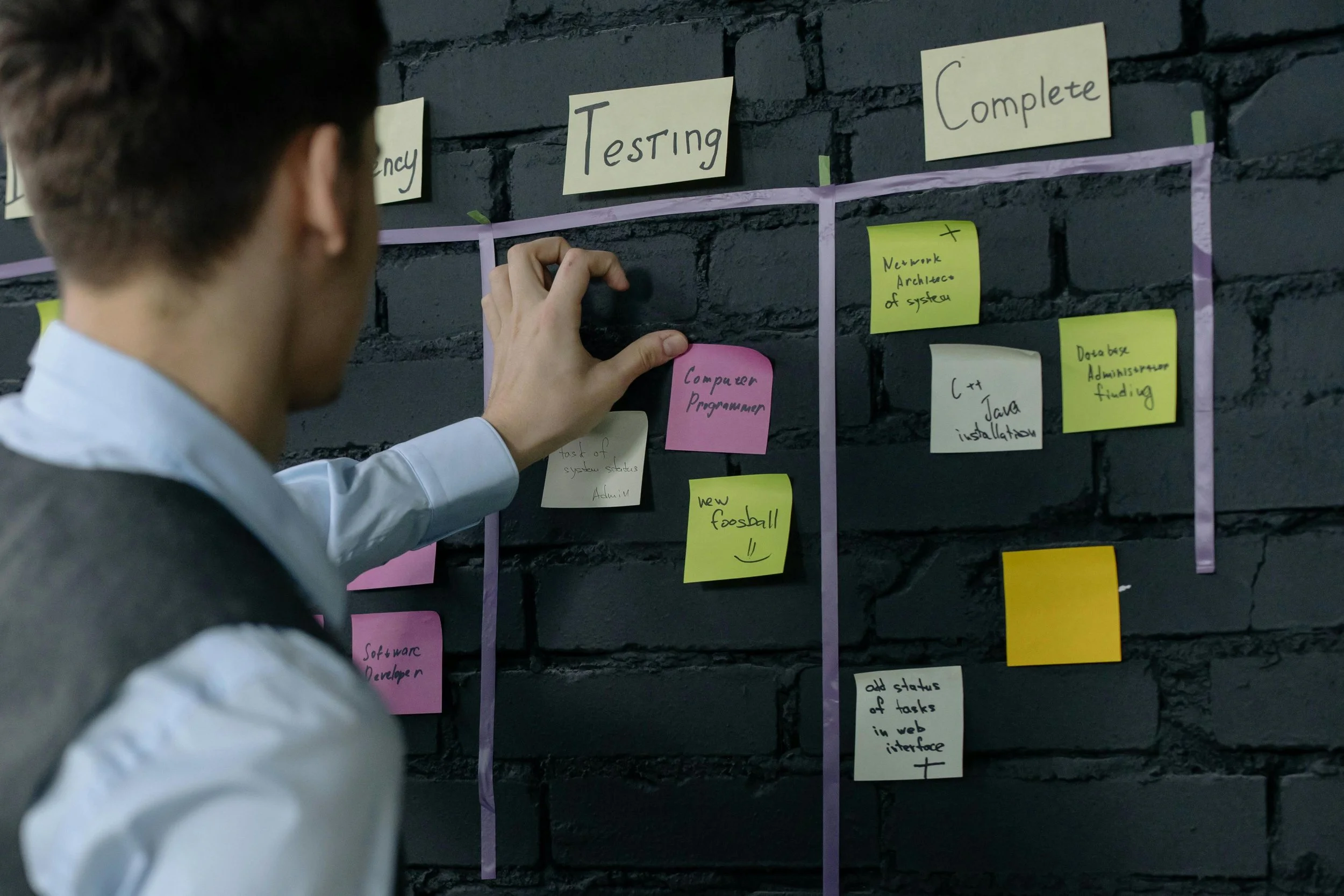
Structure should create speed, not slow it down.
The Great Process Myth
Ask five early-stage founders what they think about “process” and you will probably get five different reactions (and at least one eye roll).
Some think process means endless meetings. Others think it means slowing down. And many small teams skip it altogether, convinced they can stay nimble by avoiding anything that looks like structure.
But the absence of process is not freedom... It’s friction.
When priorities constantly shift, decisions go undocumented, and no one owns follow-up, chaos quietly takes over. The team is busy, but progress feels unpredictable. You end up fixing the same problems twice and explaining the same decisions over and over.
Good process does not slow teams down. It creates the clarity that makes speed possible.
Most small teams do not struggle because they lack discipline. They struggle because they mistake Agile frameworks for Agile principles and end up with either too much structure or none at all.
Agile Was Never Meant to Be Heavy
Agile was not born in a boardroom. It started with a simple idea: build things in small, meaningful steps, learn from your users, and adapt quickly.
The Agile Manifesto was written by people who wanted less process, not more. But as the movement grew, companies turned those principles into rigid systems filled with ceremonies, sprints, and rules.
Large organizations needed those frameworks to coordinate hundreds of people. Small teams do not. What they need is agility in the literal sense: the ability to move fast with purpose and clarity.
Why Frameworks Fail Small Teams
When a five- or ten-person startup adopts a full Scrum or SAFe playbook, it often creates more overhead than alignment. You spend more time managing the process than building the product.
The reality is that early-stage teams do not need stand-ups, retros, and sprint reviews to be effective. They need shared context and consistent communication.
Rigid frameworks can accidentally create friction in environments that should value flexibility most. And when a small team starts checking boxes instead of solving problems, process becomes performance theater.
Principles That Actually Work
Instead of focusing on frameworks, small teams should anchor on a few core Agile principles, simplified and applied to their scale:
Short feedback loops: Release early, test quickly, and learn before investing too much.
Deliver small, measurable outcomes: Progress is not how much you ship, it is how much value you create.
Collaborate daily: Cross-functional work replaces handoffs and rework.
Reflect often: Talk about what is working and what is not, and adapt without blame.
These principles are lightweight by nature. They keep the team learning, aligned, and focused without adding process debt.
Lightweight Process Is the Bridge
If Agile principles are the philosophy, lightweight process is the practice. It turns intent into habit.
For a small team, that might mean:
A quick weekly sync with a clear, consistent agenda
A single, visible roadmap instead of multiple disconnected tools
One accountable owner for each initiative
Documented decisions that everyone can reference later
This kind of structure does not slow you down. It helps you stay fast without losing focus.
Lightweight process gives teams rhythm, not red tape.
Build Habits, Not Bureaucracy
The best processes are not copied from handbooks. They evolve.
Start with the smallest version that works. Write it down. Review it regularly. And let it grow with your team.
Your goal is not to be perfectly Agile. It is to be intentional. Frameworks can come later if the team scales, but principles are what make growth possible.
A little structure early prevents a lot of chaos later.
Closing Thought: BE Agile, Do Not Just DO Agile
Agile frameworks are tools. Agile principles are mindset. Lightweight processes connect the two.
Small teams do not need to run sprints to stay aligned or check boxes to be efficient. They need clear goals, fast feedback, and a rhythm that keeps everyone rowing in the same direction.
At Navis, we help early-stage companies find that rhythm by building just enough structure to stay focused, and just enough flexibility to keep momentum.
