

The Difference Between Flexibility and Indecision
The most dangerous version of indecision is the kind that feels like flexibility while it is happening. It looks like open-mindedness, but it is quietly eroding the team's confidence in the direction.

When Metrics Start Driving the Wrong Behavior
Metrics don't lie. But they don't always tell the truth either. The dashboard is green, the team is hitting targets, and somewhere underneath all of it, the behavior the metrics were supposed to encourage has quietly been replaced by the behavior required to move the number.

Product Decisions That Age Well
Not all product decisions are created equal. Some get made with time, context, and the full weight of the team's thinking behind them. Others get made in the gap between one thing ending and the next thing starting. The difference in how those two types of decisions age is significant.

Good Enough to Ship, Strong Enough to Last
Perfectionism in product development is rarely about quality. It is about fear. Fear of customer reaction, fear of being wrong in public, fear of shipping something that becomes a problem later. Left unchecked it becomes its own kind of failure, one that just takes longer to show up.

Velocity Without Direction Is a Trap
The team is shipping. The roadmap is moving. Every standup sounds like progress. But velocity without direction is not progress. It is just motion. And the difference between the two is one of the most expensive things a founder can get wrong.

How Executives Create Noise Without Realizing It
Executives rarely set out to create confusion. But some of the most disruptive noise in an organization comes not from bad decisions but from signals that were never meant to be sent. A question asked in a meeting. A comment shared in passing. By the time the ripple reaches the team, it has already cost them focus, time, and trust in the plan.

Constant Reprioritization Is Costing You More Than You Think
Your team shows up to planning meetings. They take notes. They nod. And then they go back to their desks and wait to see what actually sticks. Constant reprioritization is costing you more than a few missed deadlines. It is quietly eroding the trust that makes execution possible.

When "Just One More Thing" Breaks the System
Unplanned work rarely arrives as a big ask. It arrives as a favor. A reasonable request from someone with real authority. And a product leader who cannot make the cost visible before saying yes is setting the team up to absorb consequences they never agreed to.

Shipping Is a Leadership Decision
Shipping is supposed to be a decision. For a lot of product teams it is just what happens when the sprint runs out. The difference between those two things is a leadership problem worth taking seriously.

Constraints Are the Point
Founders often treat strategic constraints as limitations on ambition. They are not. They are the conditions that make good decisions possible. Without them, product teams do not get freedom. They get noise.

Product Leadership Is a Long Game
Organizations don't set out to pressure their product leaders into short term thinking. But the way they measure product leadership often does exactly that. The real output of great leadership compounds slowly and is nearly invisible in the short term. Most organizations are optimizing for the next mile without ever asking where the road actually leads.

Greenfield vs Brownfield: What Founders Get Wrong About Product Leadership Experience
Founders tend to hire for greenfield experience. It is a natural instinct. But it leaves a critical gap. The leaders who have navigated brownfield products develop judgment that greenfield environments simply cannot produce.

What Mature Roadmaps Actually Do
When teams treat a roadmap like a contract, problems follow. Mature product organizations know better. A roadmap is a communication tool that creates alignment around direction, not anxiety around dates.

When Certainty Runs Out, Confidence Matters
Data and research help reduce uncertainty, but they rarely eliminate it. In product leadership, the most important decisions often arrive before certainty does. Confidence is what allows teams to move forward.

The Underrated Skill of Saying “Not Yet”
Knowing what to build is important. Knowing when to build it is strategic. The underrated skill of saying not yet protects sequence, strengthens foundations, and turns good ideas into durable progress.

When Leadership Becomes the Bottleneck
Growth often slows not because of talent or effort, but because too many decisions still converge at one point. This article explores how founders can scale leadership without becoming the bottleneck.

Product Debt Is Not Just Technical
Most teams track technical debt. Far fewer track decision debt. This post explores how unfinished decisions create drag across teams and why leadership clarity matters more than clean code.
The Difference Between Momentum and Motion
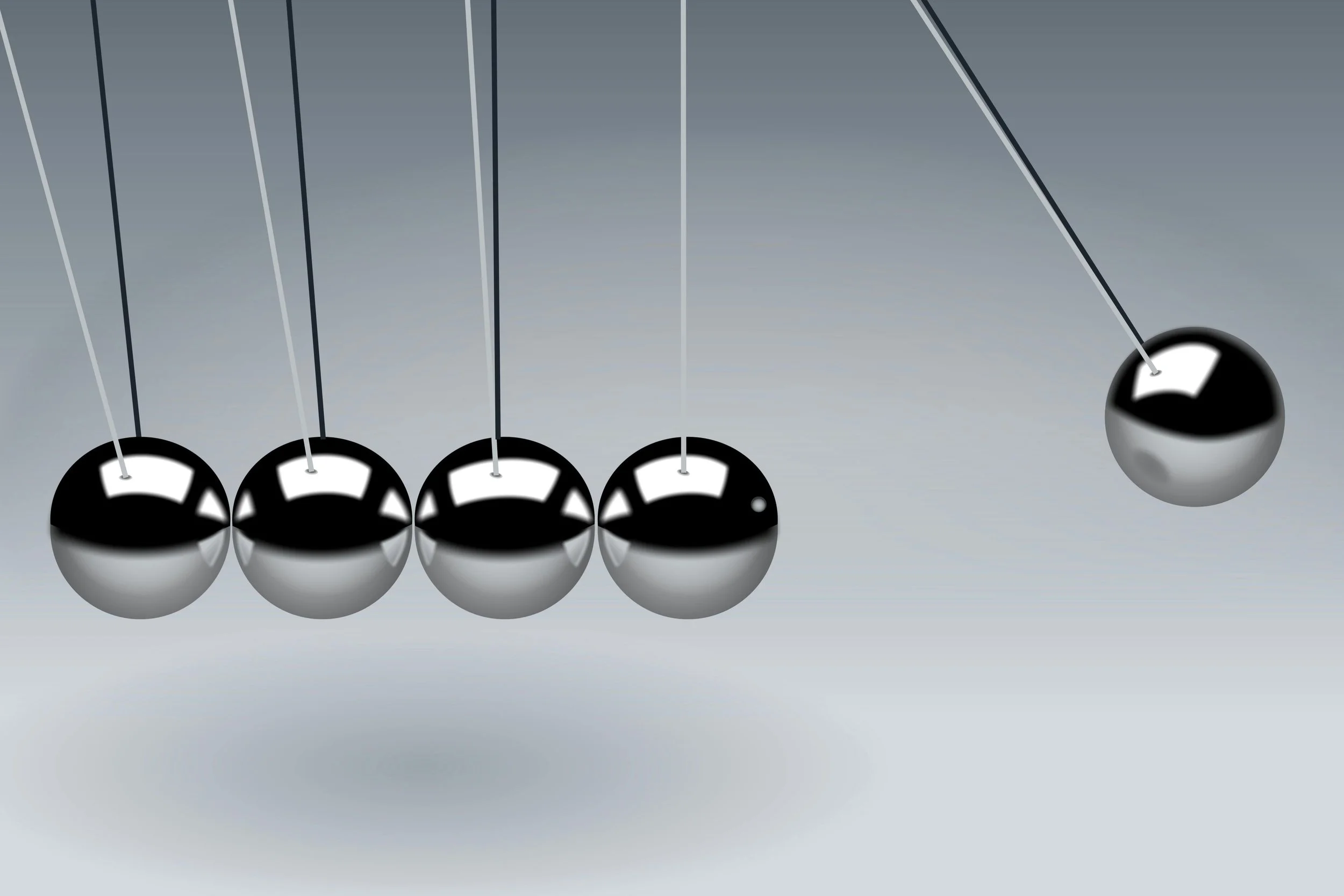
Teams often confuse activity with progress. This article breaks down the difference between motion and momentum, and why execution clarity matters more than how busy things look.

When Accountability Comes Before Direction
Accountability breaks down when teams are asked to own decisions before leadership has finished setting direction. This article examines why that sequencing matters more than it looks.

What Product Leaders Remove Matters More Than What They Add
Product leadership often looks like adding more, but the real leverage comes from knowing what to remove. This piece explores why subtraction is a core leadership skill, not an afterthought.